
Sub-Total: $0.00
Brand: Before the Logo, There Were Cattle
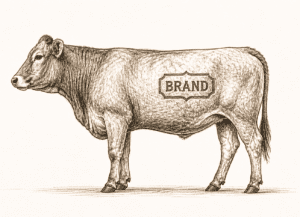
Brand started with cattle.
Ranchers burned marks onto livestock so people knew which animals belonged to which ranch. It was practical, unforgiving, and surprisingly durable as a concept. We are still doing the same thing now, just with more slide decks.
Brand is what people believe about you. It is the perception that lives in their minds.
Think about Apple. Its brand is simplicity, polish, and design. Nike is aspiration, effort, and performance. Coca-Cola is familiarity, nostalgia, and emotional connection. These companies are not just selling products. They are selling a feeling people recognize almost instantly. That is brand.
Branding is the effort that shapes that perception. It is the ongoing work: the messaging, storytelling, repetition, and customer experience that reinforce what you want people to associate with you.
Apple does it through product launches, sleek communication, and a tightly controlled experience. Nike does it through athletes, emotion, and the language of grit. Coca-Cola does it through ads, packaging, and decades of consistency. Branding is the long game. It is how the story gets repeated until it sticks.
Brand identity is the visible system that supports all of it. This is the logo, color palette, typography, imagery, packaging, and voice.
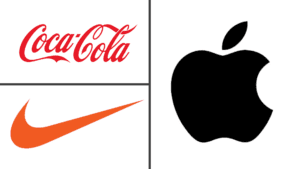
Apple’s identity is minimal and refined. Nike’s is bold and immediate. Coca-Cola’s is classic and unmistakable. Their identities help you recognize them fast, but recognition alone is not enough.
Because brand identity is not the brand. A logo is not a reputation. Nice typography cannot cover for weak work. A polished website can only fake trust for so long.
So the cleanest way to say it is this:
Brand is what people believe.
Branding is what you do to shape that belief.
Brand identity is what people see.
The same goes for personal brand. You do not have to be Apple, Nike, or Coca-Cola to think this way about your own work. A personal brand is simply what people associate with you when your name comes up.
For me, I’d like that to be helping people make sense of complexity and get ready before the real moment arrives. That is a lot of what sits underneath scenario planning, games, and exercises. I help teams explore possible futures, test choices, and work through consequences before the stakes are real. The experiences I design play a role in shaping that reputation.
If someone brings me into a room, I hope they expect something more useful than just another meeting. Ideally, they expect an experience that helps them think clearly, challenge assumptions, and prepare for action. Not just talk about future challenges, but spend some time rehearsing them.
The branding is how I communicate that through language, stories, and framing. The brand identity is how it looks and feels. If the work is immersive, human, and forward-looking, the materials should reflect that too.
So here is the question: what are people actually saying about your brand when you are not there to explain it?
- What do they expect when your name comes up?
- What feeling do your materials, message, and presence create?
- Are you known for what you want to be known for, or just what you happen to do?
- Does your visual identity support your reputation, or is it just decoration?
- And most importantly: if your brand is a promise, are you delivering an experience that proves it?
Those are useful questions for companies, teams, and individuals alike.
In the end, a brand is not what you say about yourself; it is what people remember after you are gone.